
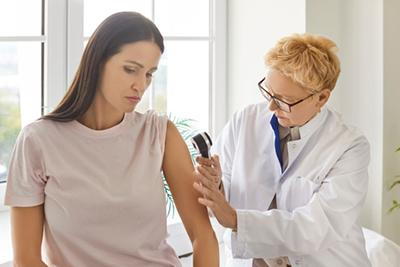
Skin cancer is the most common type of cancer, and early detection is crucial for achieving the best outcomes. Knowing how to perform a self-exam and recognizing the early signs of skin cancer can make a significant difference. At Agha Advanced Dermatology, Dr. Amr Agha provides comprehensive dermatology services, including diagnosing and treating skin cancer. With locations in Acworth and Douglasville, GA, expert care is always nearby.
What You Need to Know About Skin Cancer
Skin cancer often begins in moles or other changes in the skin. Regular self-exams are one of the most effective ways to detect skin cancer early before it can grow and spread. Look for abnormal moles that are:
- Larger than 6 millimeters in diameter.
- Irregularly shaped, with ragged or undefined borders.
- Changing in size, shape, or color.
In addition to monitoring moles, be aware of:
- Scaly patches of skin that bleed or itch.
- Skin changes occur after a mole is removed.
Self-exams should include areas frequently exposed to the sun, such as the face, scalp, lips, and hands. Don’t forget to check hard-to-see areas, like your back, using a hand mirror.
Superficial Radiotherapy (SRT): An Advanced Treatment Option
For patients diagnosed with skin cancer, treatment options have evolved to offer effective and non-invasive solutions. At Agha Advanced Dermatology, we provide Superficial Radiotherapy (SRT), a gentle yet powerful treatment for non-melanoma skin cancers such as basal and squamous cell carcinoma.
SRT is a non-surgical treatment that uses low-energy X-rays to target and destroy cancerous cells while preserving healthy surrounding tissue. This option is particularly beneficial for patients who:
- Prefer a non-invasive treatment approach.
- Have lesions in cosmetically sensitive areas, such as the face or neck.
- Wish to avoid the downtime associated with surgical procedures.
The treatment is painless, requires no cutting or scarring, and typically involves a series of short sessions. SRT provides an excellent alternative to traditional surgical options while maintaining high cure rates.
Detecting Skin Cancer Early: The Role of Self-Exams
Regular self-exams are vital for early detection. Examine areas of your skin exposed to the sun and monitor for changes in moles or new growths. High-risk individuals—those who sunburn easily, have light skin, or have a family history of skin cancer—should perform self-checks monthly and schedule annual skin exams with a dermatologist.
Preventing Skin Cancer: Everyday Tips
You can reduce your risk of developing skin cancer by adopting these preventive measures:
- Use sunscreen with an SPF of at least 30 daily or an SPF of 50 if you are at high risk.
- Avoid tanning booths and direct sunlight between 10 AM and 2 PM.
- Wear protective clothing, a wide-brimmed hat, and UV-blocking sunglasses.
Want to Know More About Skin Cancer?
If you have concerns about skin cancer or want to learn more about Superficial Radiotherapy, contact Dr. Agha at Agha Advanced Dermatology. With offices in Acworth and Douglasville, GA, expert care is just a call away. Call (770) 739-7546 to schedule your appointment today.